Consumer Intelligence That Turns a Million Opinions Into 5 Things to Fix
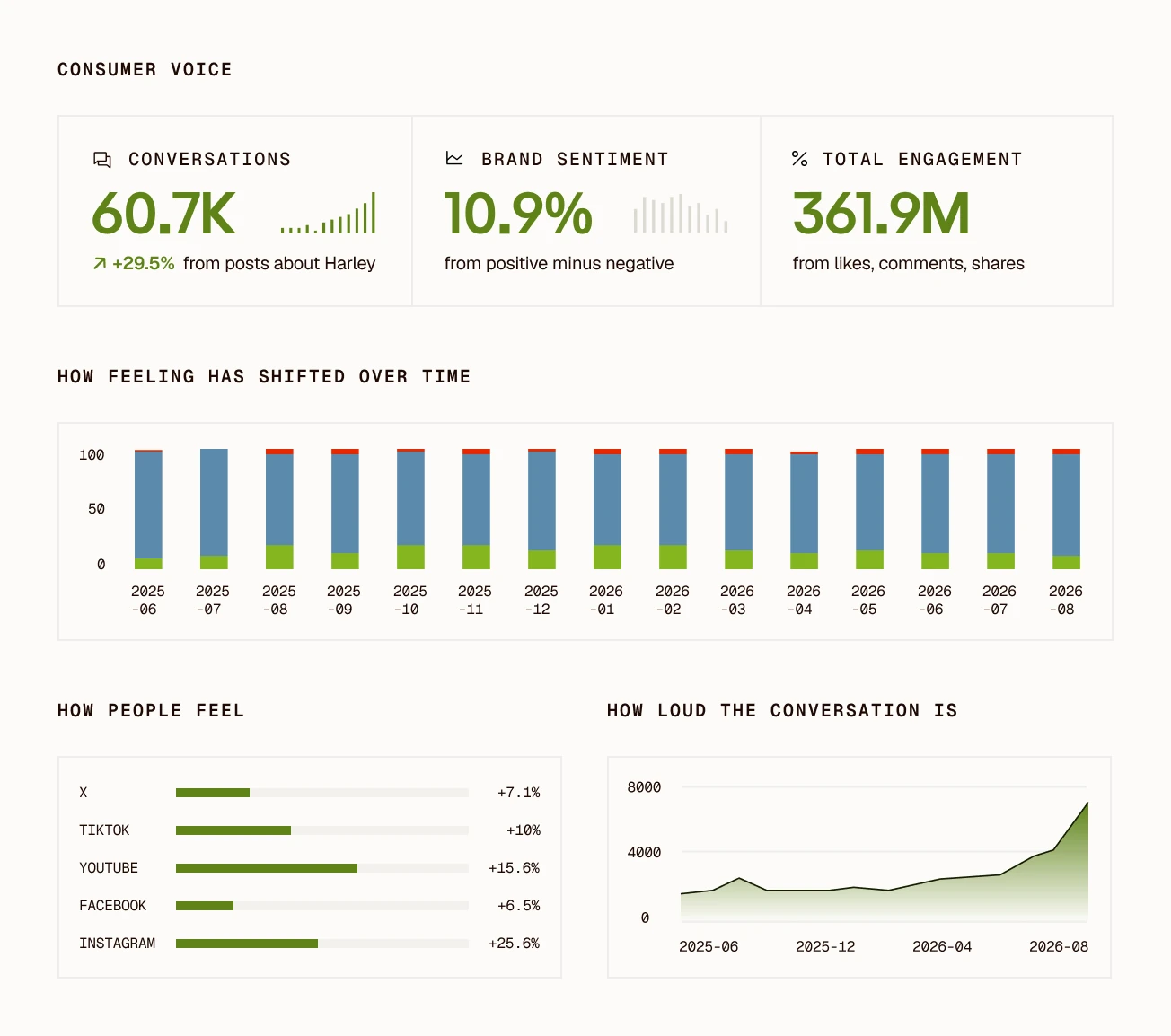
A survey gets you answers to the questions you already thought of. Clayface finds the rest, in reviews, in comments, in forums and inside video, and turns a hundred thousand scattered opinions into a short list worth acting on.


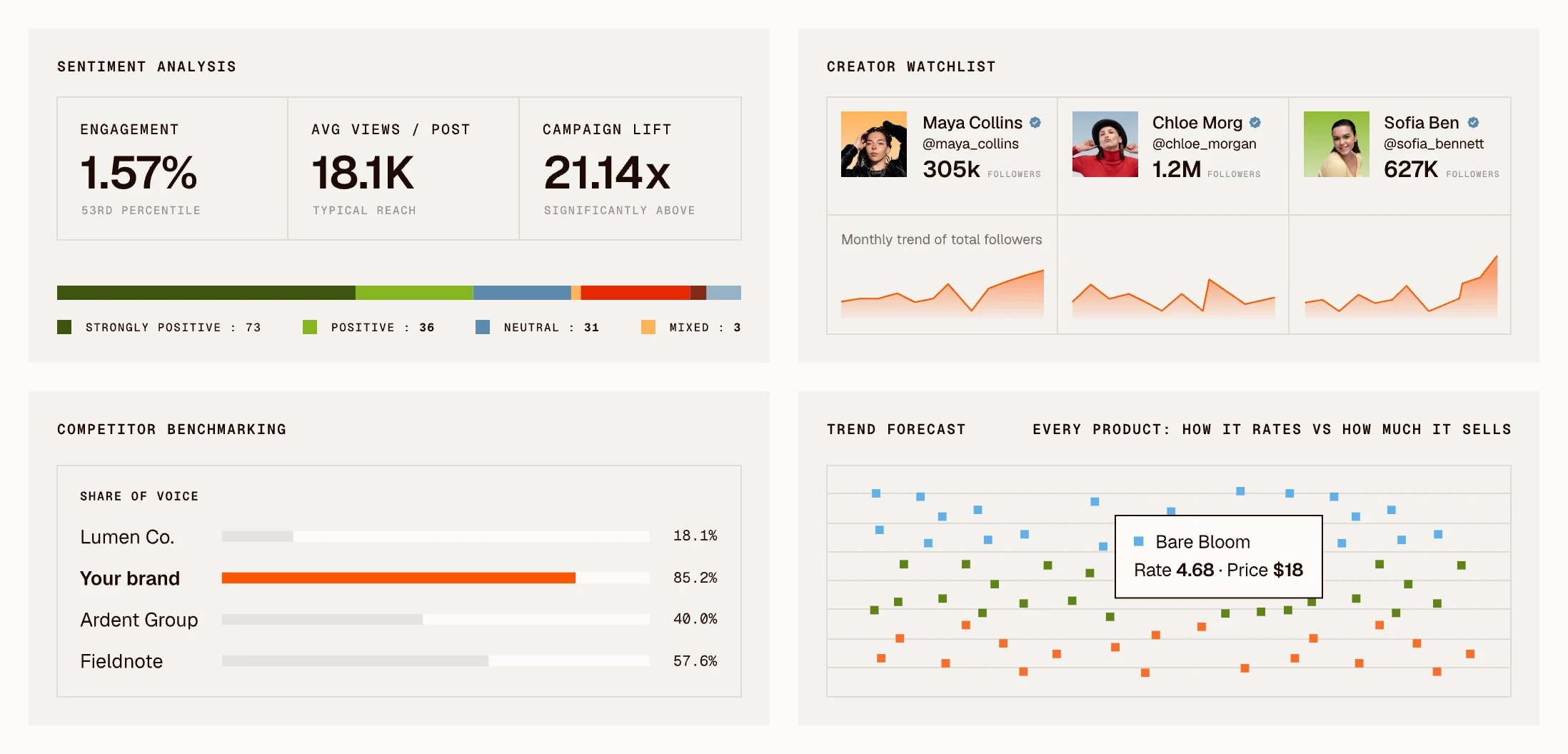
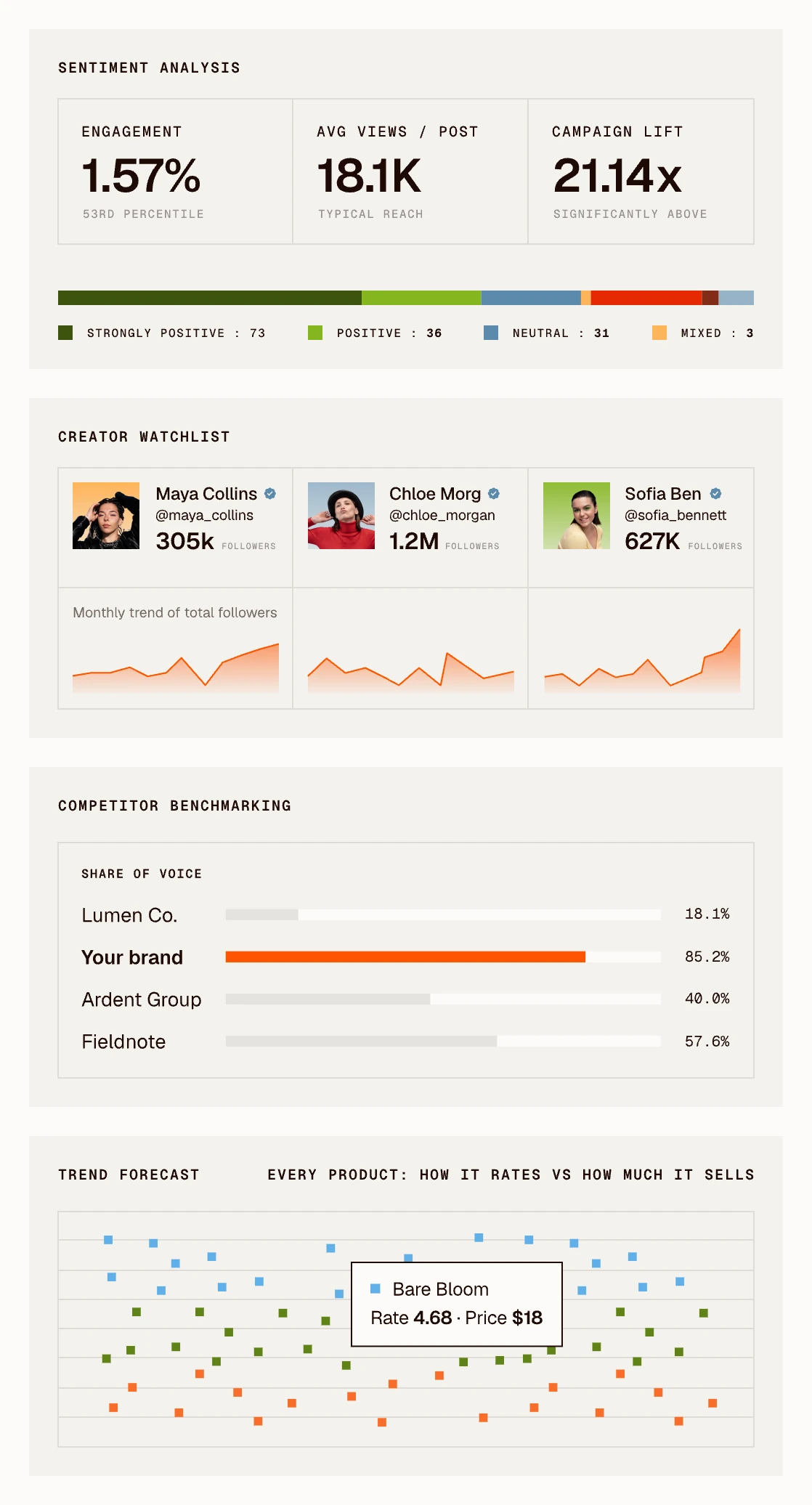











Four Steps From Scattered Opinionsto a Decision
Gather Every Opinionin One Place
Reviews on your site and on marketplaces, survey answers, support messages, forum threads, comments and posts. Each one is tied to the product it is about before anything else happens.
See your sources joined up
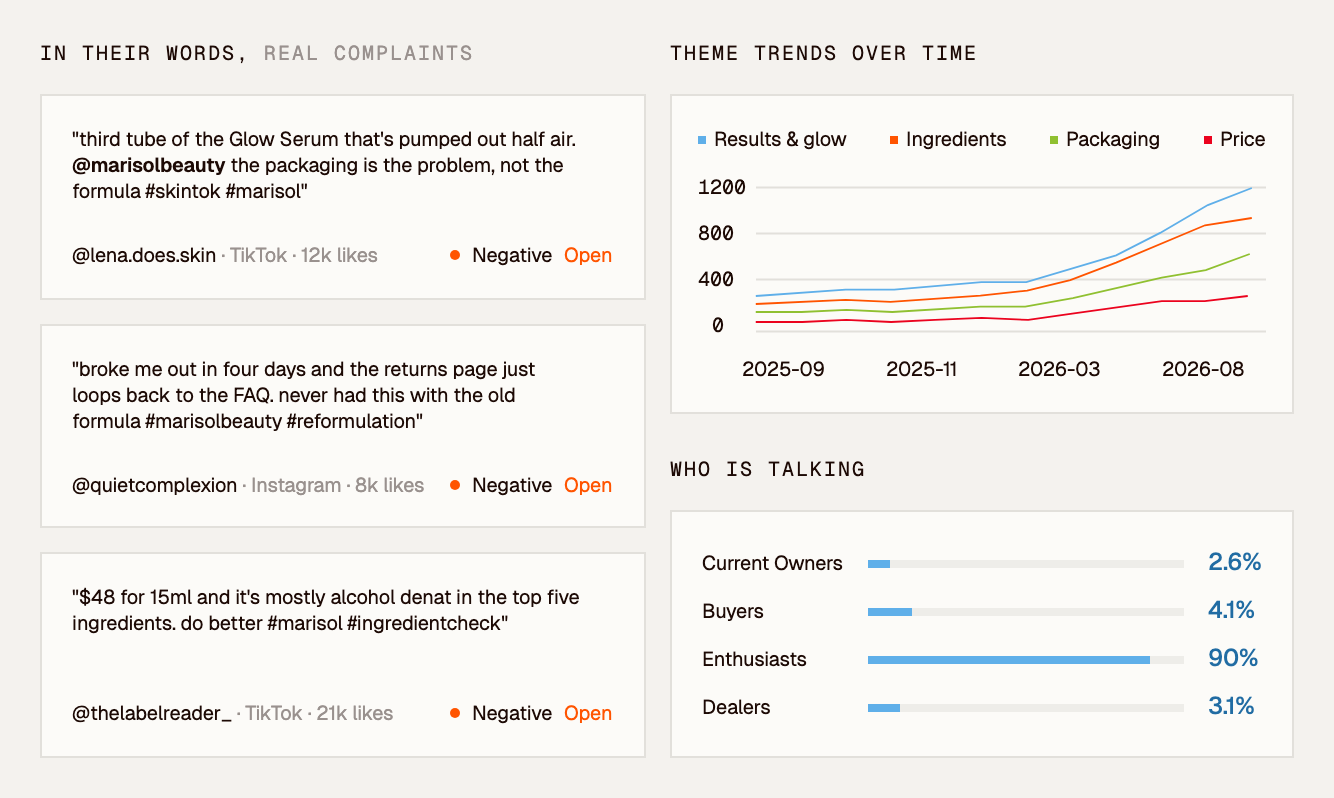
Turn Thousands of CommentsInto Ten Topics
A stuck zip, a jammed zip and a broken zip are one problem, not three. Clayface groups by what people mean, so a topic arrives with its real size attached.
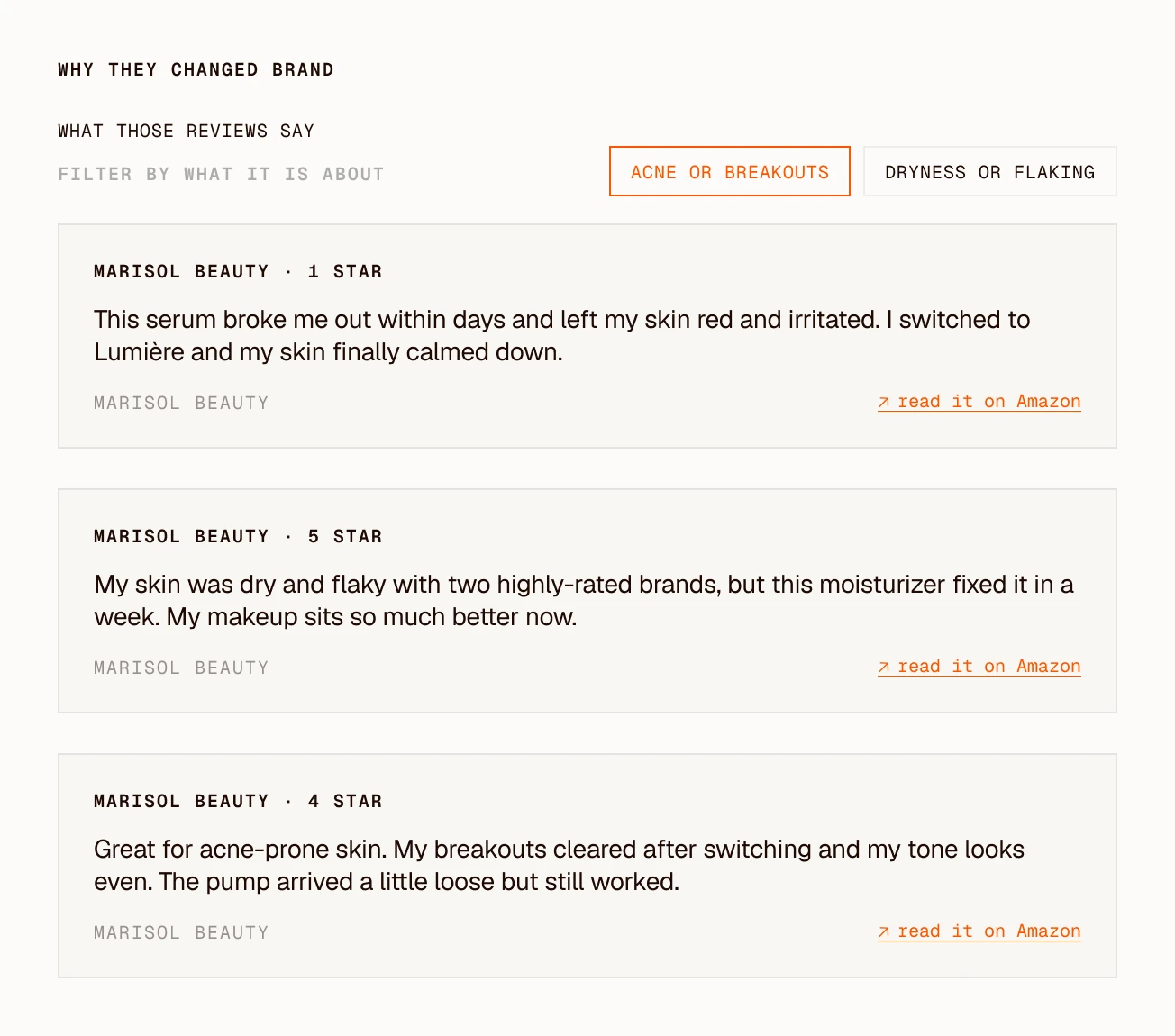
See the topics in your own dataLearn Which ProductCaused It and Why
A topic on its own is a talking point. Clayface names the product behind it, the moment it started growing and the people it is coming from, which is what turns it into a decision.
Walk through a finished answerCut It for WhoeverNeeds to See It
Split the same answer by product, market, age group or platform, and it keeps refreshing on its own. The version your NPD team needs is the version your agency needs, cut differently.
See how teams use one answer


100%
of written feedback covered, never sampled
6
kinds of feedback in a single view
2 weeks
cut from every research round
Five Reasons the AnswerComes Out Different
Any tool can count mentions. What changes the answer is where the opinions come from, how honest they are, and whether the grouping matches the way your business is actually organised.
Clayface Goes Beyond Image Analysis
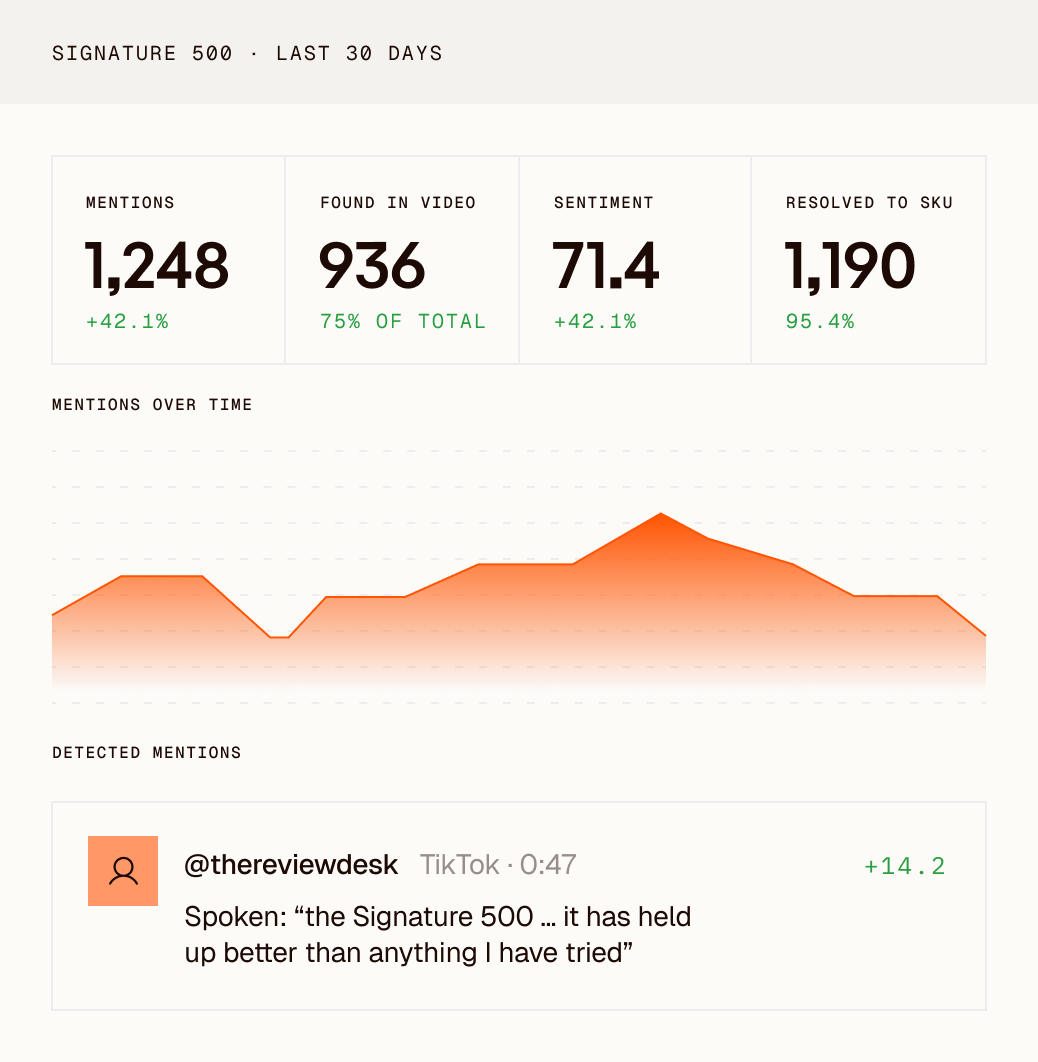
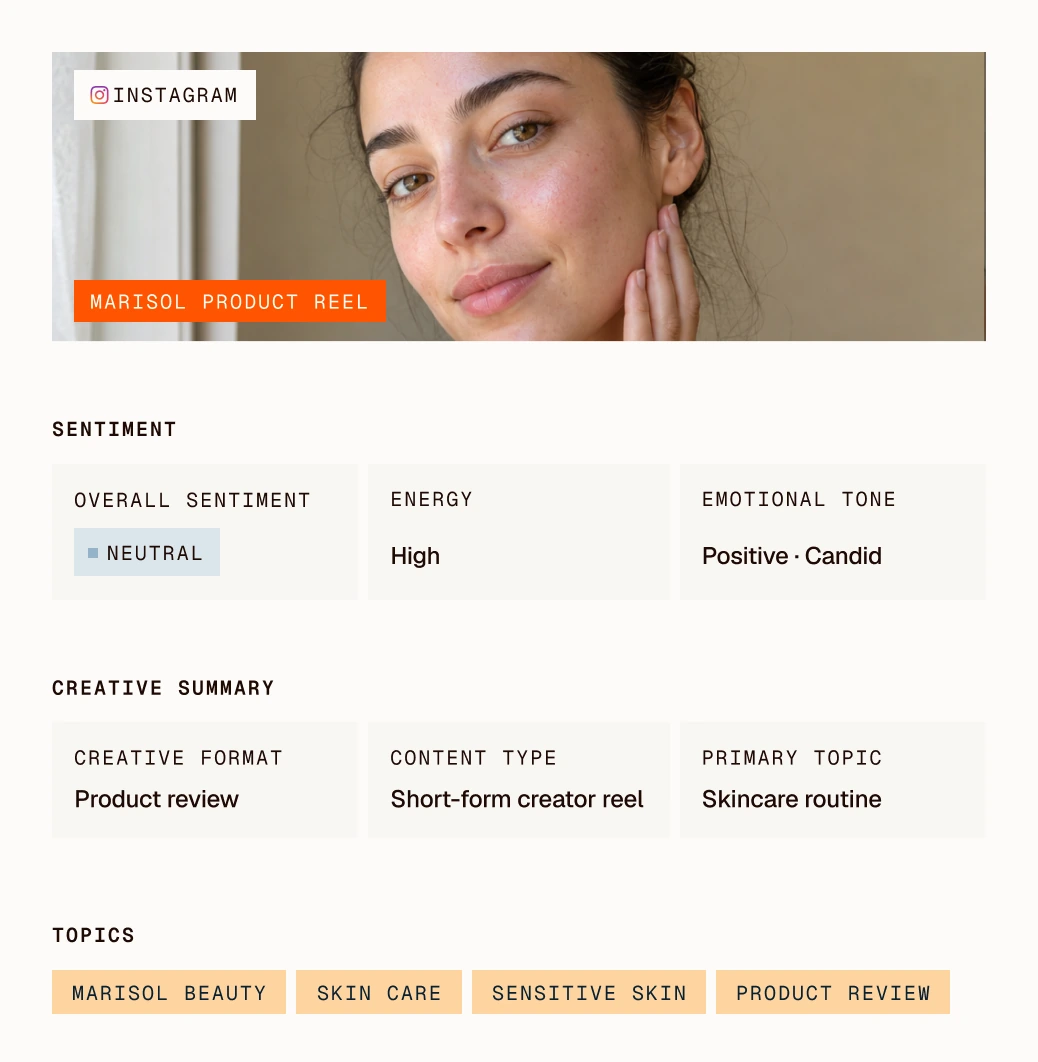
Image analysis finds a logo in a still picture. Clayface scans video frame by frame to show what people actually like, how they say what they like or dislike, and whether the product on screen is even the one they are talking about.
See Clayface in Action→
Nobody Was Paid or Prompted to Say It
A survey respondent knows a brand is listening. A person warning a friend in a comment does not. The second kind is harder to collect and much harder to argue with in a meeting.
See Clayface in Action→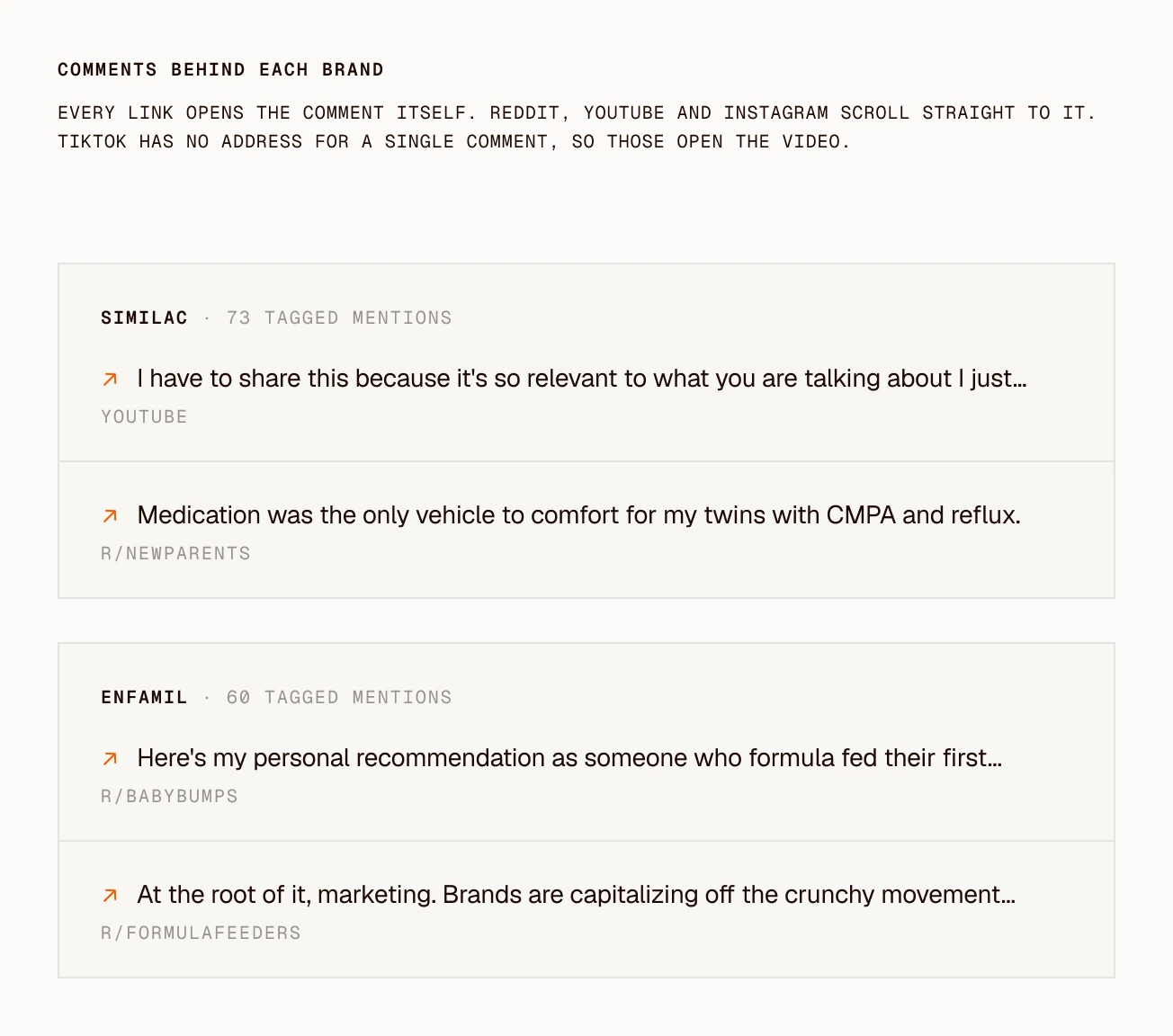
Grouped the Way Your Business Is Organised
Topics arrive under your product families and your own model names, not a set of categories invented by a software company, so a finding lands in the same shape as the rest of your reporting.
See Clayface in Action→
Including the Places You Do Not Control
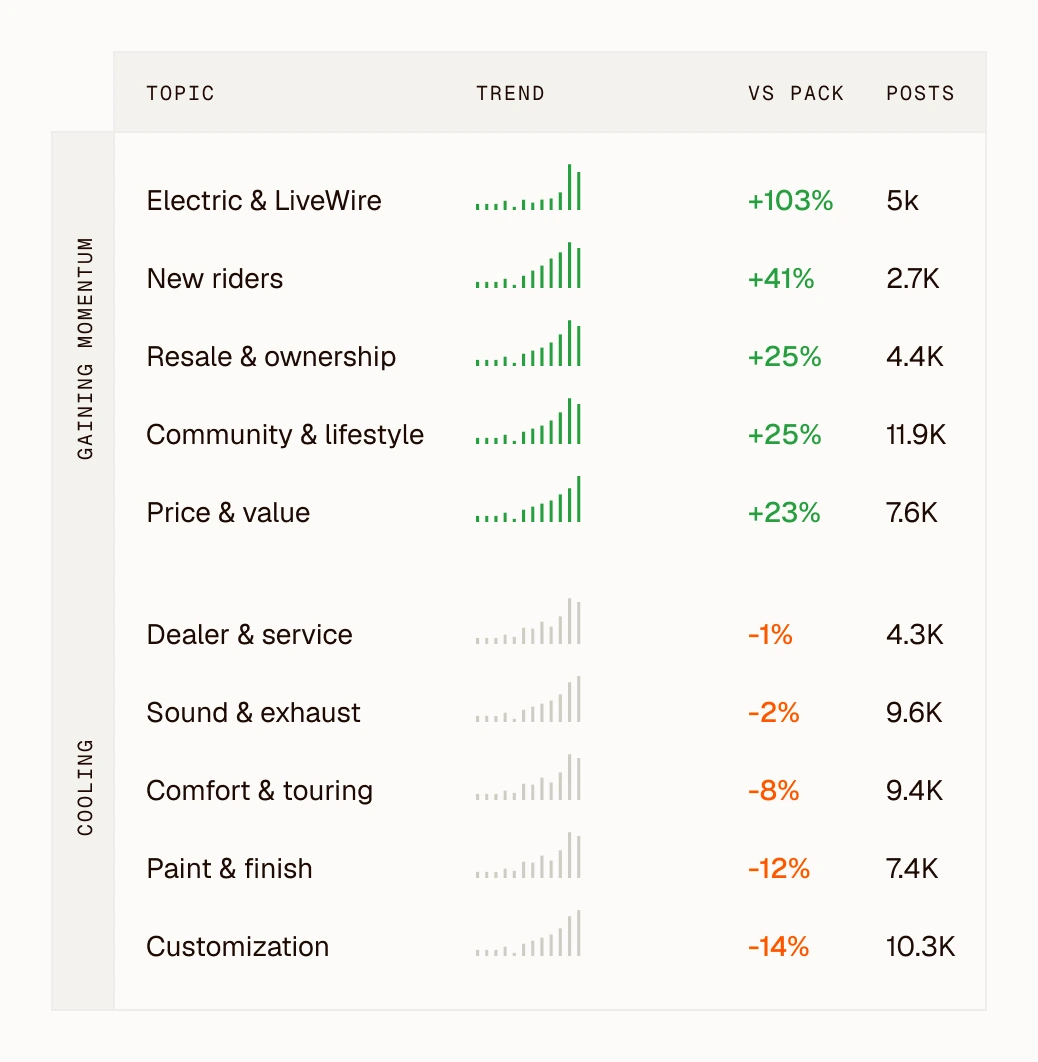
Your own reviews and your own comments are the polite version. Forum threads, marketplace listings and group chats are where people say what they really think, and those sit in the same view.
See Clayface in Action→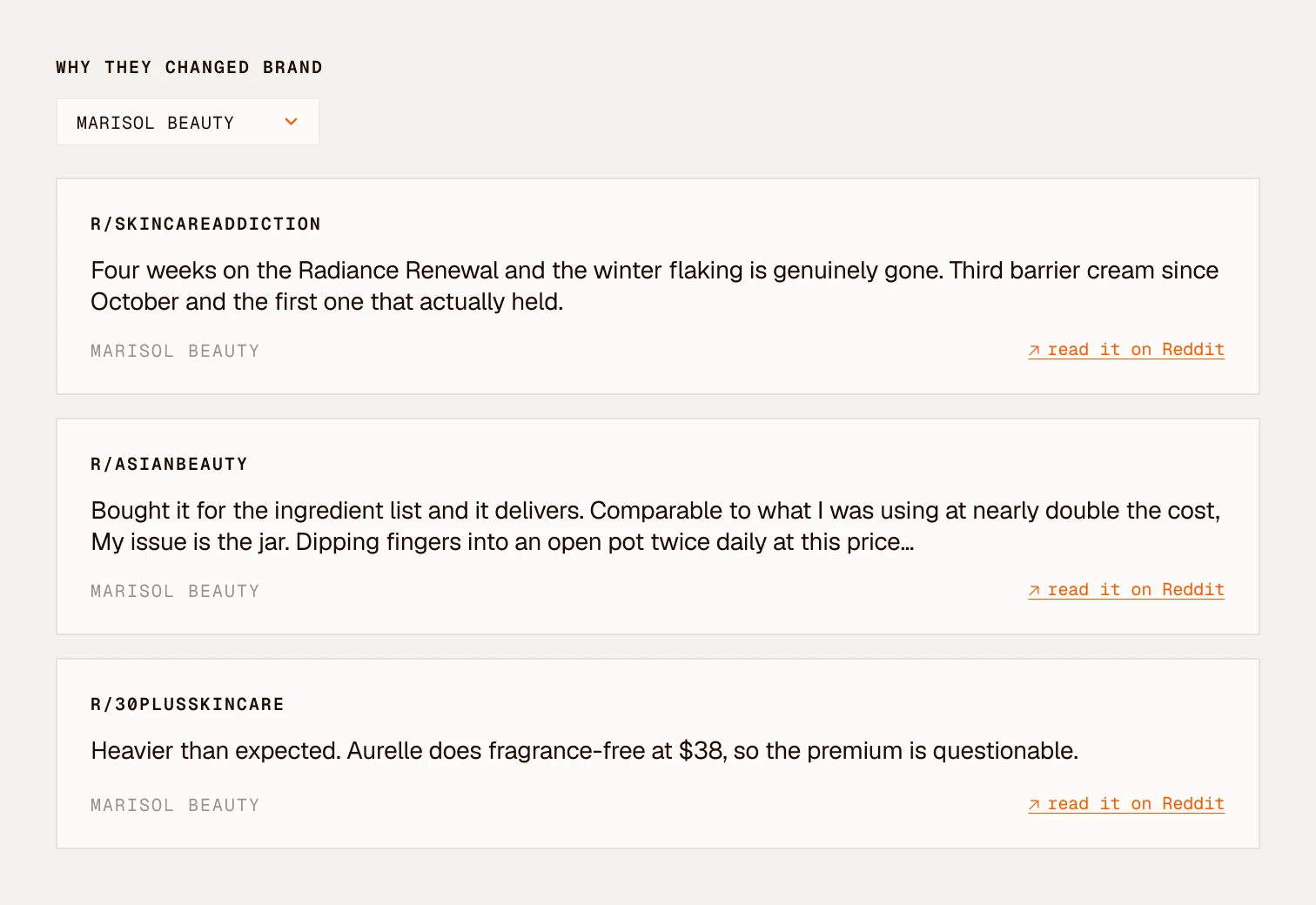
Requests for Things You Do Not Sell Yet
People describe the product they wish existed long before anybody builds it. Those requests get collected and counted, so the ones that keep coming back are visible while there is still time to act.
See Clayface in Action→

Start With One Product and See What Comes Back
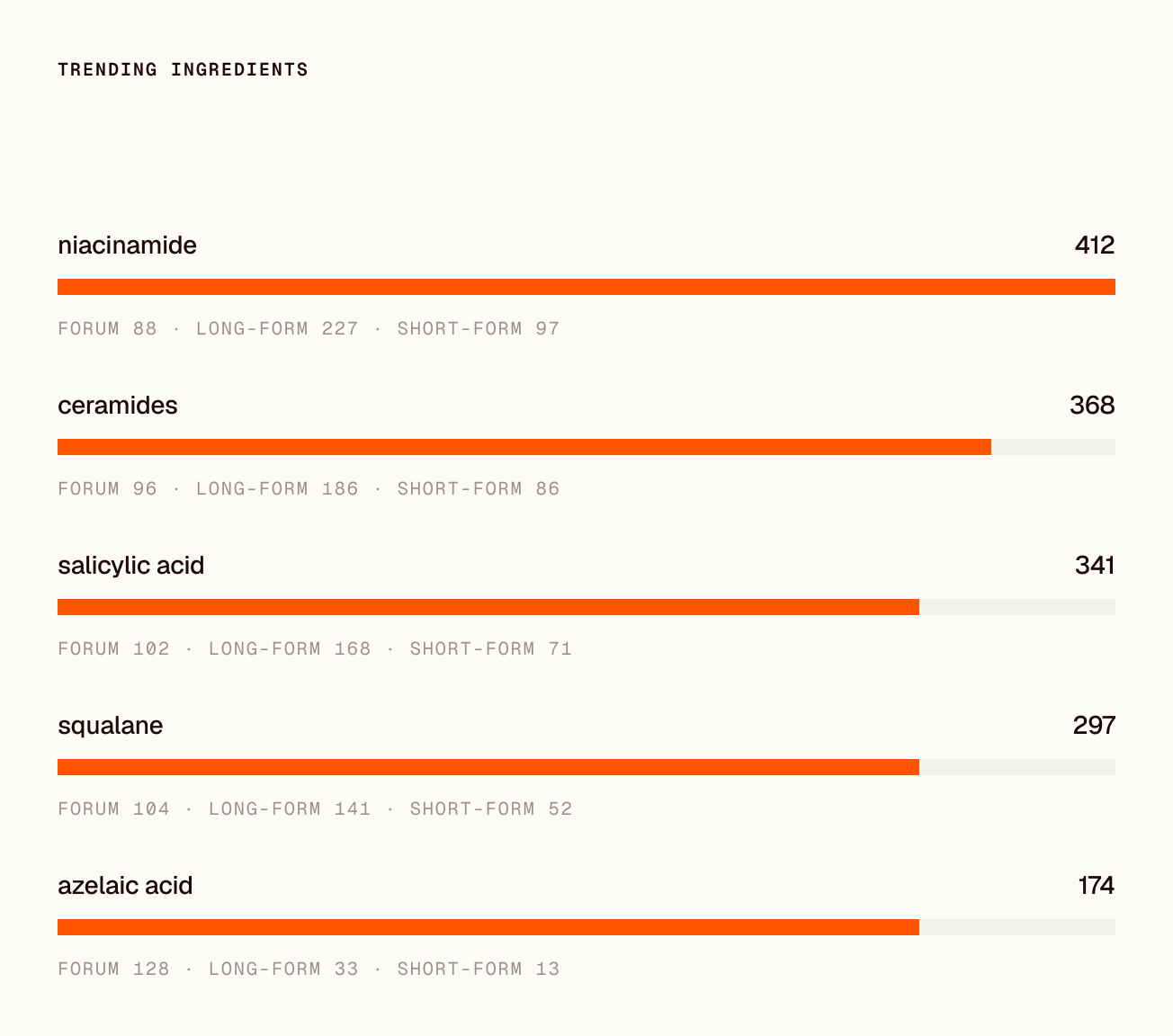
Pick a product you already think you understand. We run it through Clayface and show you the topics attached to it, ranked by how often each one comes up.
Frequently asked questions

A consumer intelligence platform collects what buyers say about a category in public and in private, then groups it into topics a business can act on. It covers reviews, marketplaces, forums, support messages and social posts rather than one channel at a time.
No. A survey answers the questions you already knew to ask, with a sample you chose. This shows you the questions nobody thought to ask. Most teams run both and use Clayface to decide what the next survey should cover.
Every topic can be opened to show the individual comments inside it, so you can check the grouping yourself rather than take it on trust. Wrongly placed comments can be moved, and the grouping learns from it.
Yes. Your product families, model names and topic structure go in first, and every answer comes back cut to them. Nothing has to be mapped onto a category tree somebody else designed.
The first grouped answer on a single product usually arrives within days rather than weeks, because the collection runs against sources that already exist rather than waiting for a new study to be commissioned.